Year
2026
Client
Urban Armor Gear
Category
Animation
Product Duration
4 Weeks
CES is not a controlled viewing environment. It's 200,000 square feet of competing screens, competing noise, and attendees who've already seen forty booths before lunch. You don't get a minute of someone's attention. You get three seconds, maybe, before they're gone.
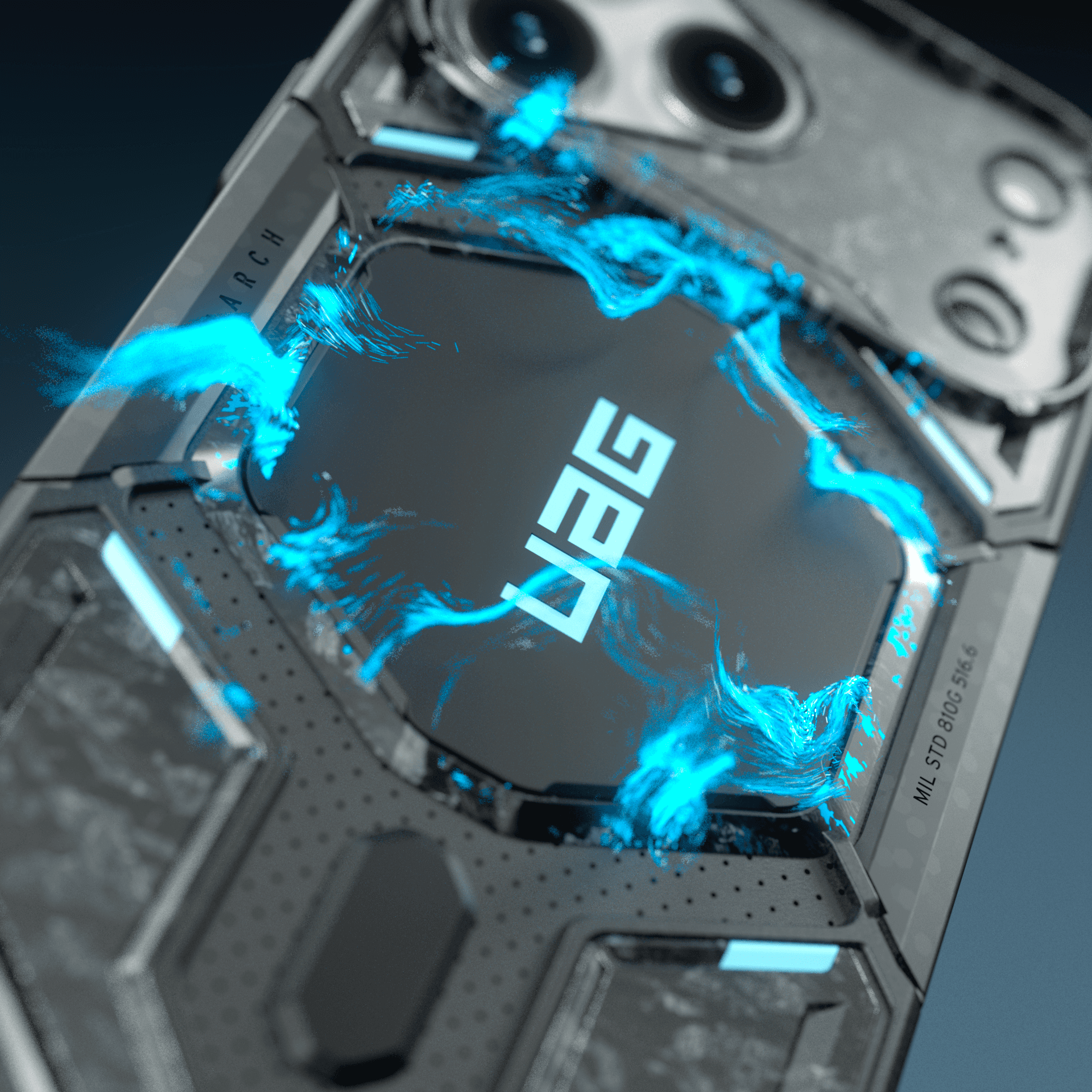
UAG needed four separate 3D product films for their main display wall, each telling a different product story, all running on large-format 4K screens on a busy show floor. The brief looked like a content request. It was actually a design problem: how do you build something that reads in three seconds, rewards someone who stops for thirty, and holds at 4K from fifteen feet away?
That's what we set out to answer.
Four products meant four distinct stories. We treated each as a separate design problem.
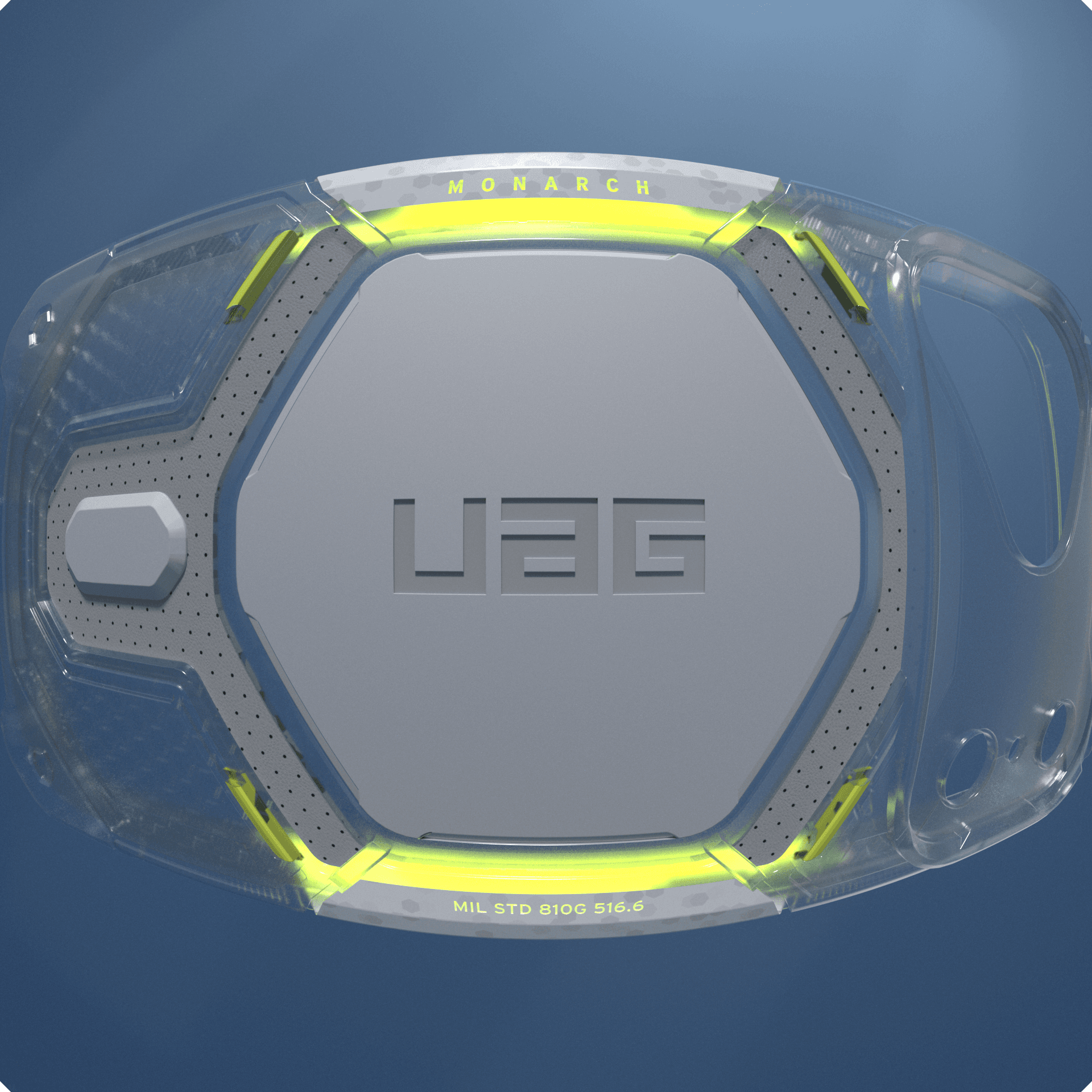
Monarch is a construction story. The product's value is in how it's built, so the film goes inside it, layer by layer.
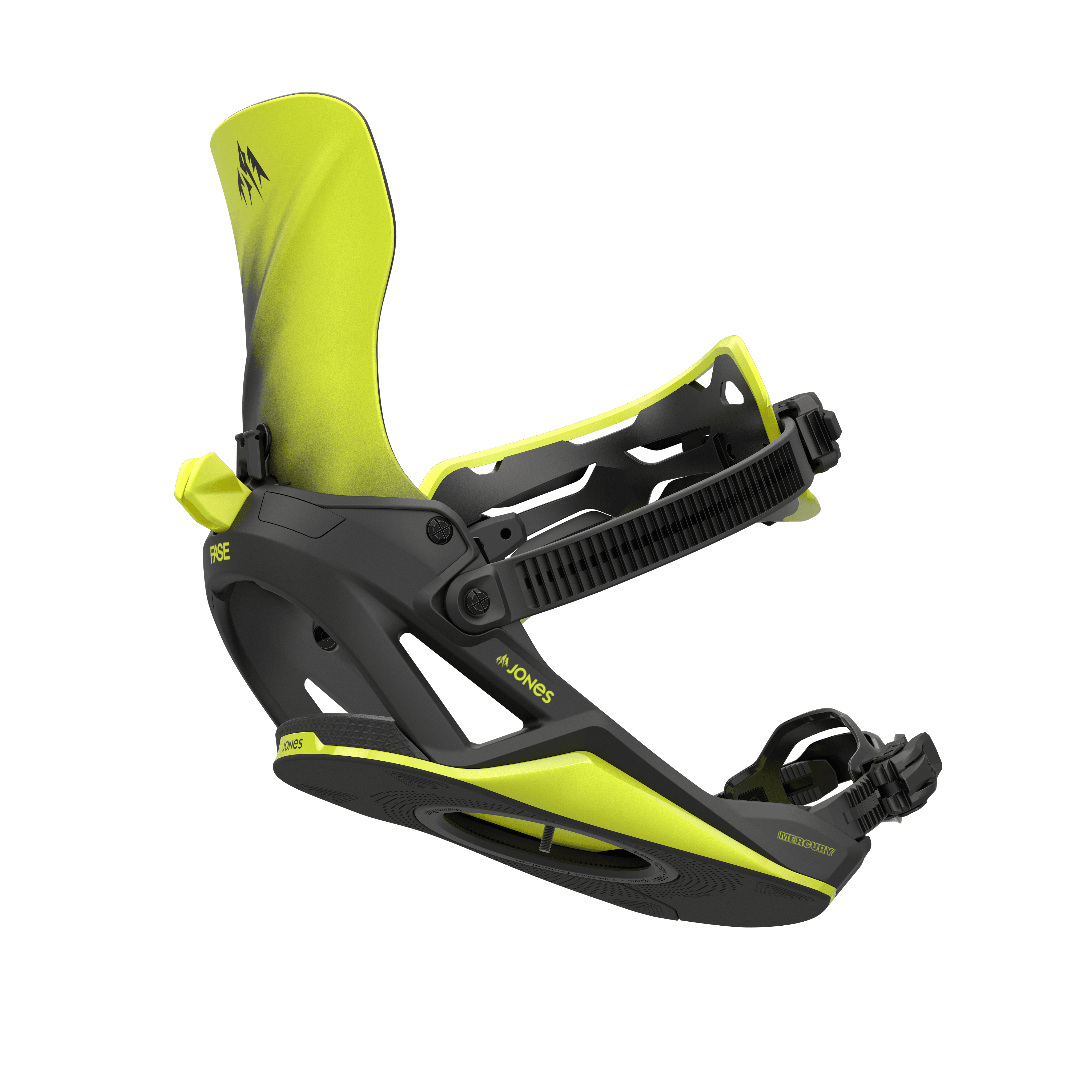
Pathfinder is a design evolution piece. Where did this product come from, and where is it going?
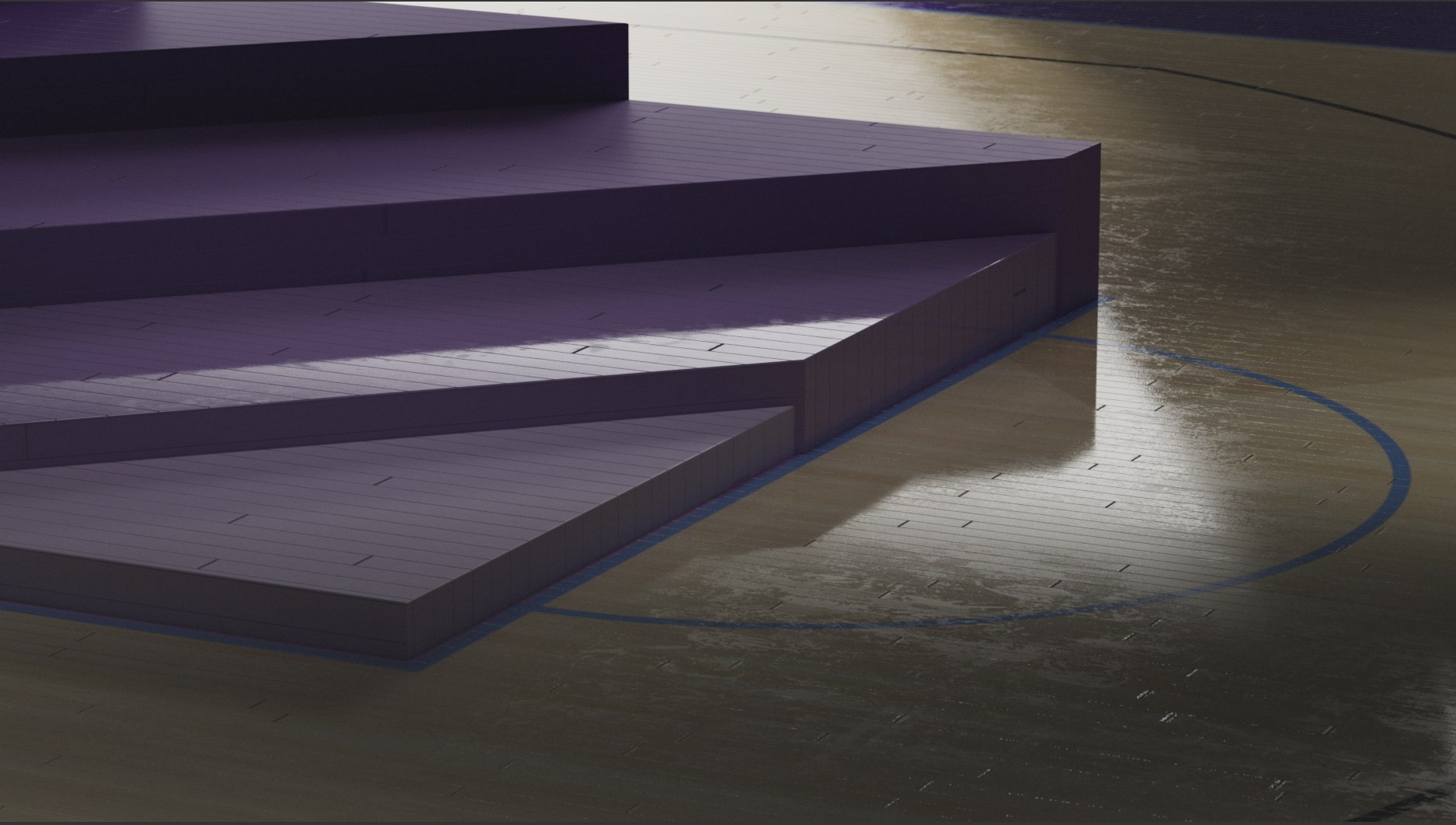
Color Story leaned into transparent materials and retro aesthetics, built around feel rather than function.
Craftsman went deep on material. Forged carbon. Built for the viewer who slows down and leans in.
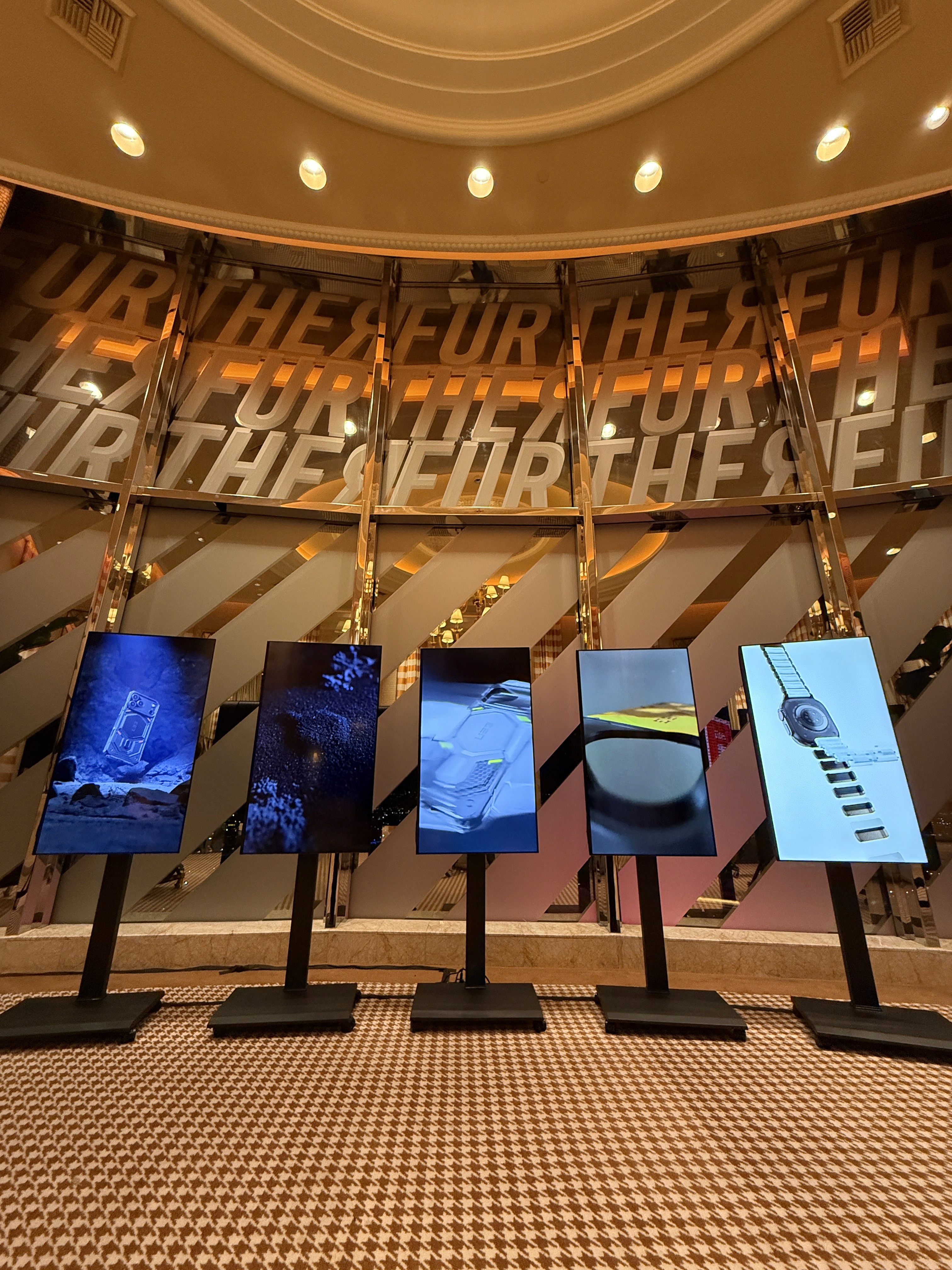
The Craftsman film is where we spent more time than we'll comfortably admit on a single Kevlar texture.
Not because it dominated any key frame. Because material detail is cumulative. When everything is right, nobody consciously registers any single element. When something's off, there's a vague sense that something feels wrong, even if the viewer can't name it. That gap is where the work actually lives.
Beyond the material passes, each film was built specifically for the environment: pacing calibrated for loop entry points, motion structured to read at distance, all four delivered for large-format 4K. Not built for a preview file. Built for the room.
Tools: Houdini, Redshift, After Effects.
After CES, UAG's Art Director sent a note.
The animations were "the first thing people gravitated toward when they walked in" and "a hit and a huge success."
That's the outcome worth designing for. Not "the client liked the renders." People stopped. On a CES floor, with everything competing for the same three seconds of attention, people chose to stop at this display.
That happens when the work is built for the environment it's going into, not just the environment it gets reviewed in.